As the United States and Iran engage in tit-for-tat blockades over the Strait of Hormuz, the critical shipping lane that handles 20% of the world’s oil, China has stayed far from silent on the issue.
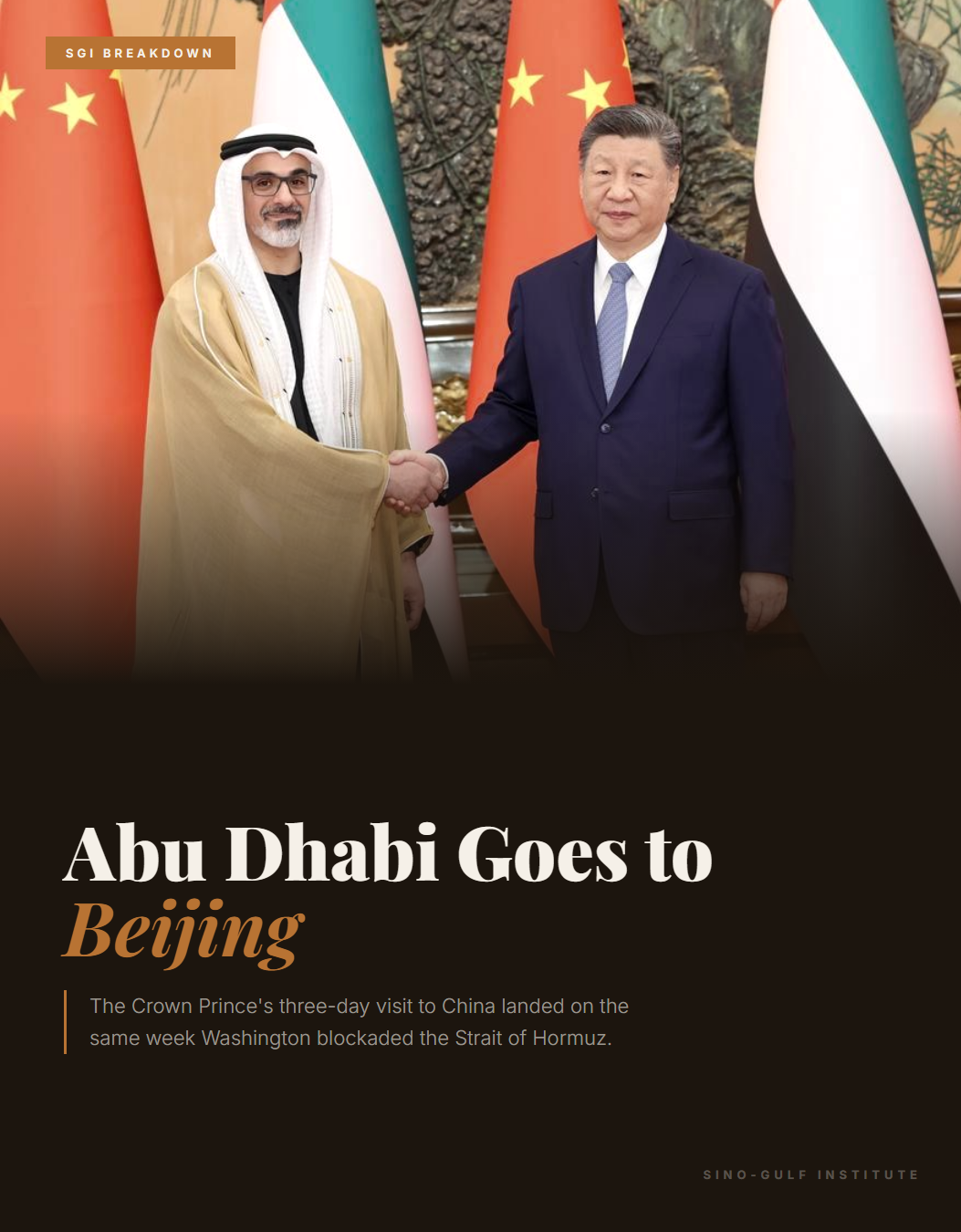
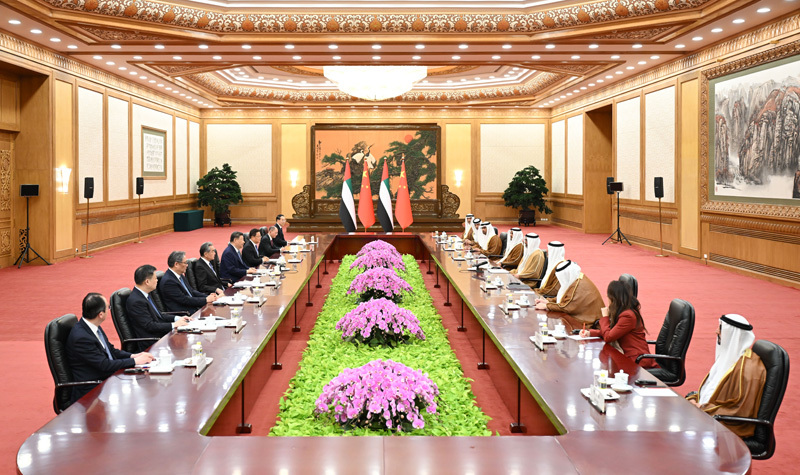
Most recently, during Emirati Crown Prince Sheikh Khaled bin Mohamed bin Zayed Al Nahyan’s official visit to China in April 2026, UAE Special Envoy to China Khaldoon Al Mubarak met with Chinese Foreign Minister Wang Yi, who spoke on the Iranian blockade of the Strait of Hormuz. In his statement, Foreign Minister Wang declared that “a blockade of the Strait of Hormuz does not serve the common interests of the international community.”
While Minister Wang’s statement refers to the blockade of the Strait during the current US-Israeli war on Iran, it mirrors what former Premier Zhao Ziyang said on another Gulf crisis almost forty years ago. Amid the Iran-Iraq War, oil tankers were coming under fire from both Ba’athist Iraq and the revolutionary Islamic Republic of Iran, creating global fears that the Strait of Hormuz could be the site of an energy crisis much like we are witnessing today. In response, during the first UAE Minister of Foreign Affairs visit to China in 1987, Premier Zhao declared that “we disapprove jeopardising navigation of this international channel [Strait of Hormuz] by any country under whatever name or using whatever methods.”
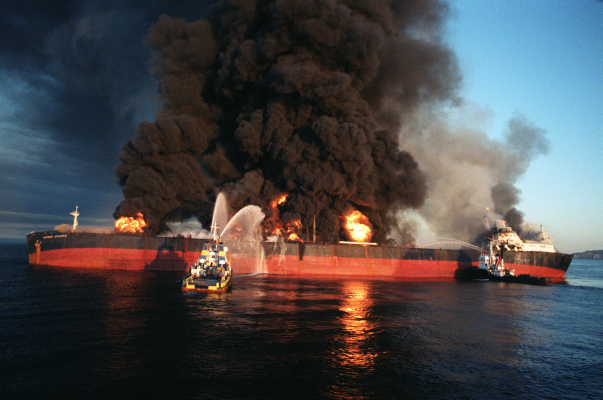
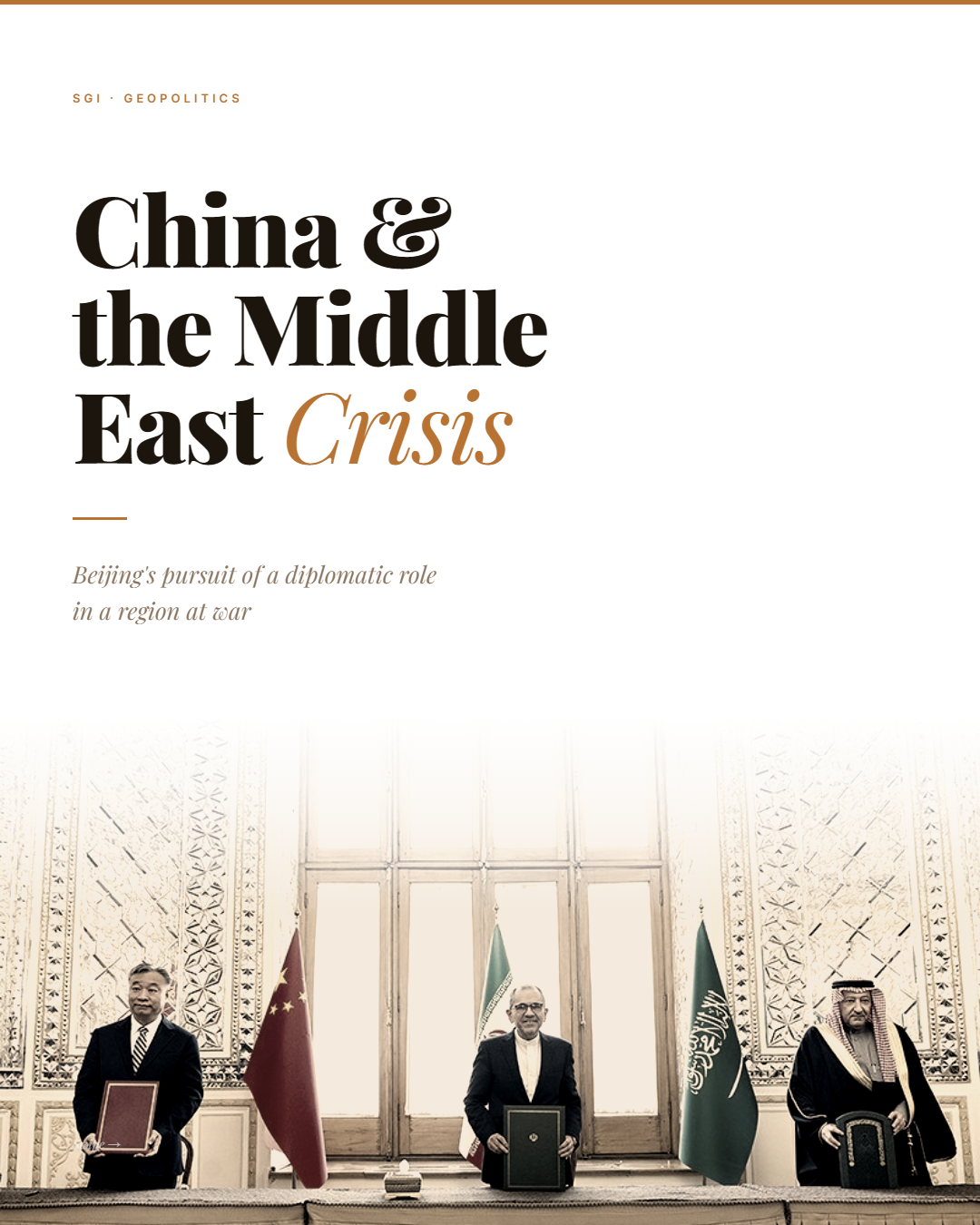
Over nearly 40 years, why has China so consistently emphasized stability and freedom of navigation in the Strait of Hormuz? China’s approach to conflict in the Gulf can be summed up in three principles: freedom of navigation, peaceful settlement, and strict neutrality. These principles are rooted in China’s own needs as a developing country highly dependent on global trade. At the time of Zhao Ziyang’s statement, China was less than ten years into its Reform and Opening Up, and having just opened the doors to trade, it needed to ensure that its development from decades of poverty and chaos was not disrupted by an energy crisis in the region.
China’s approach to conflict in the Gulf can be summed up in three principles: freedom of navigation, peaceful settlement, and strict neutrality.
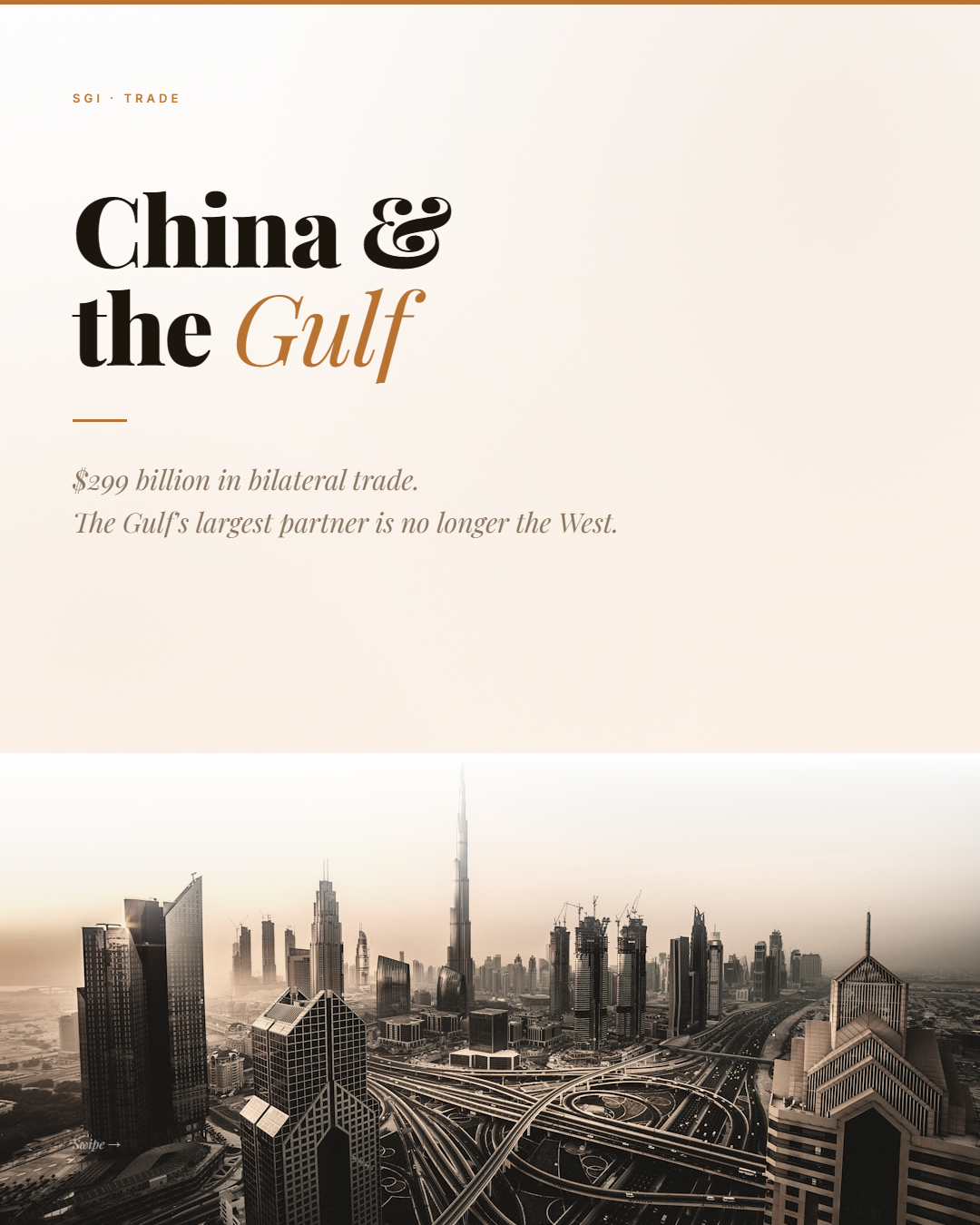
Fast forward to today, and the situation becomes even more complex for China. China is the world’s largest importer of oil through the Strait of Hormuz, with nearly half of China’s crude oil imports transiting through the Strait. Meanwhile, Iran and all of the Arab nations surrounding the Gulf are members of China’s Belt and Road Initiative, which requires a stable security environment for projects and investments to flourish. The results of what happens in an unpredictable security environment became clear when China was forced to evacuate over 3,000 nationals in Iran.
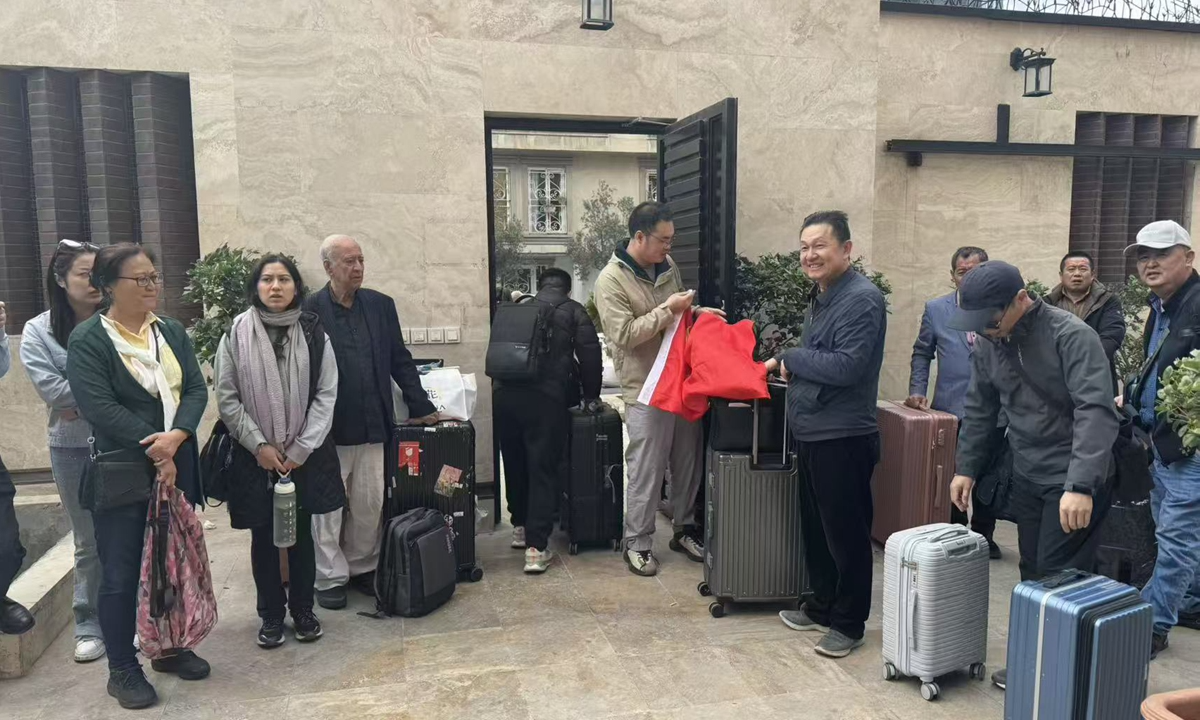
It is important to note that China has learned from the American experience in the region, thus preferring neutrality and military non-intervention to a direct defense of Iran. This contradicts many outside observers who mistakenly conclude that Iran and China are in an “alliance” that China will rush to defend, ignoring China’s clear principles against forming alliances that will entangle it in outside wars that harm its development. However, despite this, it is clear that as Chinese political and economic capital grows in the region, the Strait of Hormuz is not something that Beijing can ignore. As the war continues to unfold, we can expect to see China continuing to advocate for freedom of navigation and commercial activity in the region, even if it does not directly involve itself militarily in the conflict.
View this brief on Instagram →